For years, AI agents have struggled with a fundamental bottleneck: juggling separate models for vision, audio, and language. This fragmented approach leads to latency, context loss, and mounting costs. Enter NVIDIA's Nemotron 3 Nano Omni, an open multimodal model that unifies these capabilities into one streamlined system. By processing video, audio, images, and text together, it delivers up to 9x more efficient AI agents without sacrificing accuracy. Below, we break down the seven most crucial things you need to know about this game-changing model.
Table of Contents
1. Unifying Vision, Audio, and Language in One Model
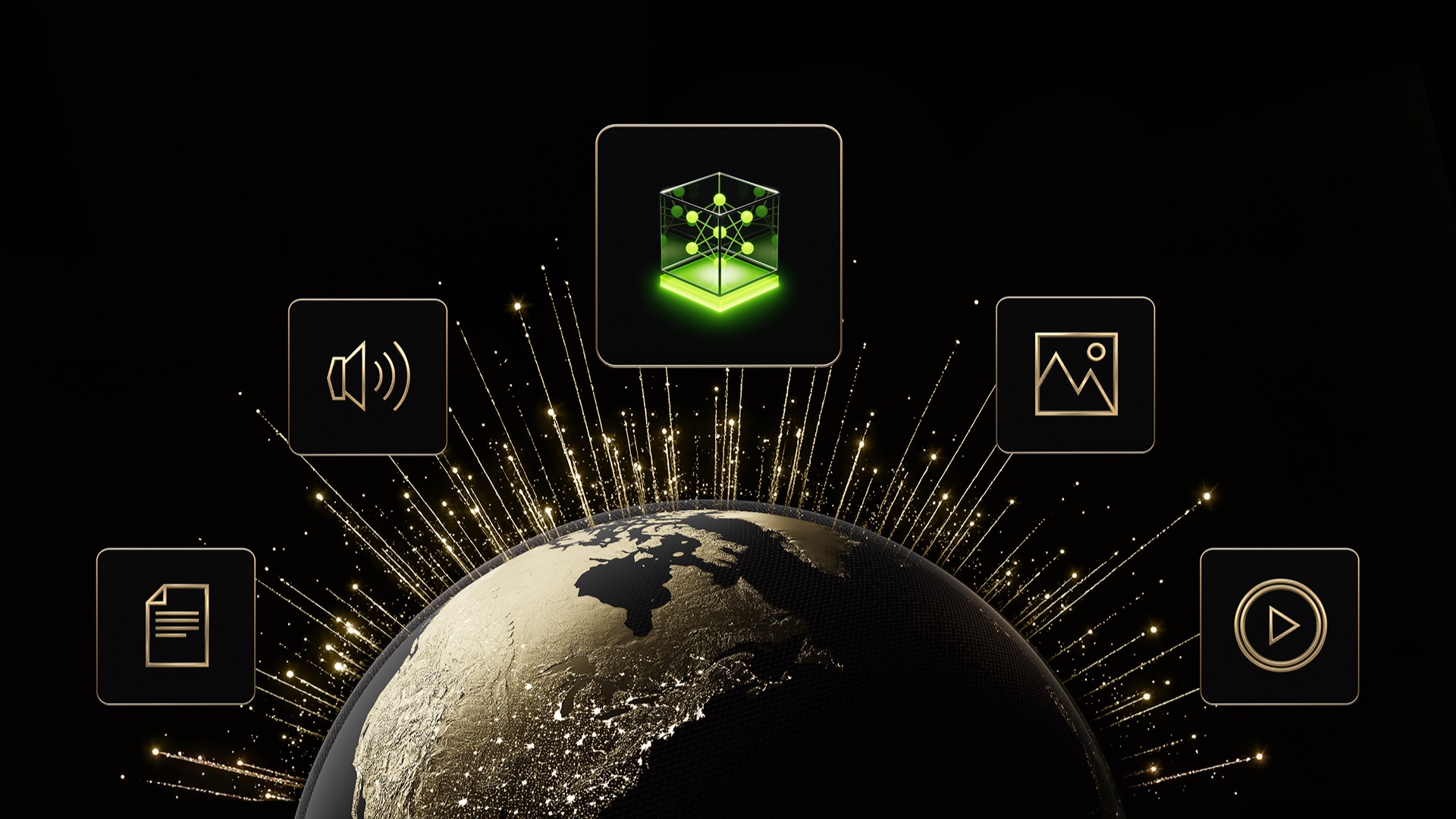
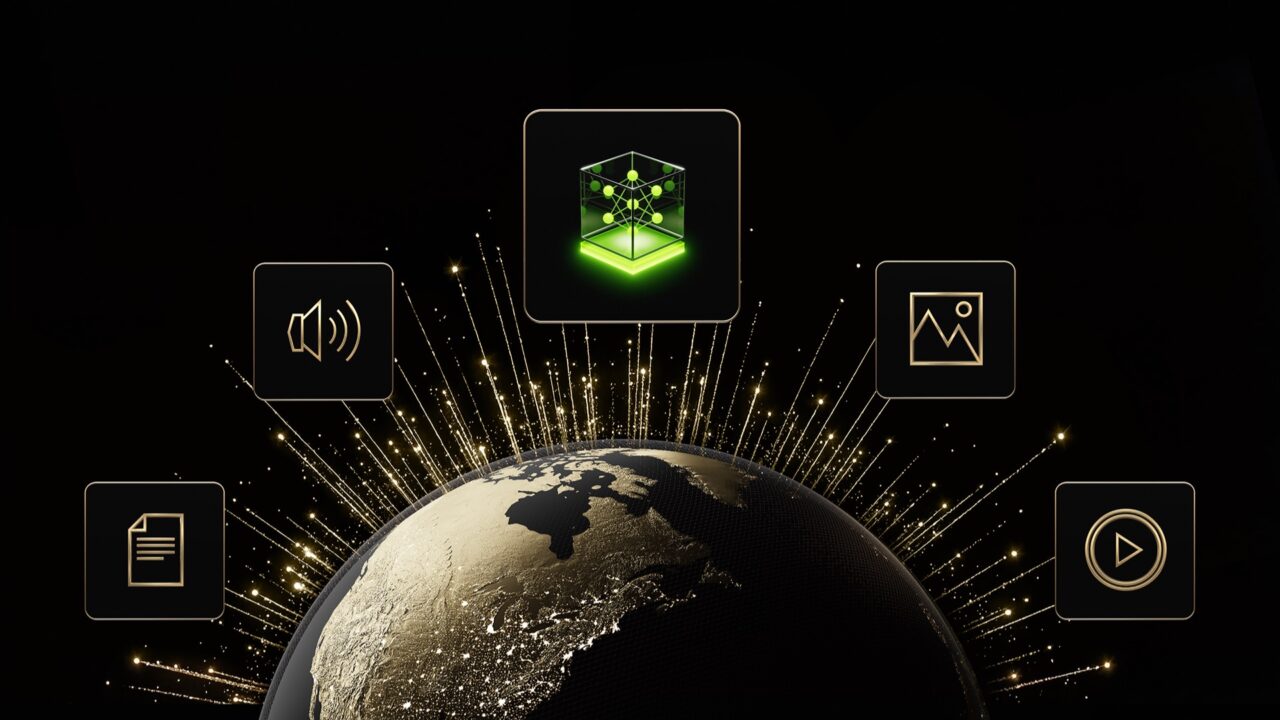
Traditionally, multimodal AI systems rely on separate models for each modality—vision, speech, and language—passing data from one to another like a relay race. This not only introduces delays but also fragments context as information is converted between formats. Nemotron 3 Nano Omni eliminates this complexity by integrating vision, audio, image, and text processing into a single model. It can directly analyze a video stream, listen to audio, parse documents, and understand charts without intermediate translation. The result is faster, more coherent interactions that preserve the full richness of the input data.
2. Leading Accuracy with Unprecedented Efficiency
Nemotron 3 Nano Omni sets a new benchmark for open multimodal models. It tops six leaderboards in complex document intelligence, video understanding, and audio comprehension—outperforming many larger, proprietary alternatives. But accuracy is only half the story. The model achieves up to 9x higher throughput than other open omni models with the same interactivity. This means enterprises can deploy more capable agents at lower cost, scaling their AI operations without sacrificing responsiveness or accuracy.
3. Architecture That Packs a Punch
Under the hood, Nemotron 3 Nano Omni uses a 30B-A3B hybrid Mixture-of-Experts (MoE) architecture. This clever design activates only a fraction of its parameters (3 billion) per inference, keeping computational requirements low while maintaining the power of a 30-billion-parameter model. Additional innovations like Conv3D for spatiotemporal video processing and Efficient Vision Scaling (EVS) enable it to handle high-resolution screen recordings and long context windows of up to 256,000 tokens. This combination delivers high performance without a proportional increase in cost.
4. Real-World Applications That Transform Workflows
The model’s unified multimodal capabilities unlock practical use cases that were previously impractical. In customer support, an agent can process a screen recording of a user’s issue while simultaneously analyzing call audio and checking database logs—all in real time. In finance, it can parse PDF reports, spreadsheets, charts, and voice notes together, providing a holistic analysis. As Gautier Cloix, CEO of H Company, notes, “By building on Nemotron 3 Nano Omni, our agents can rapidly interpret full HD screen recordings—something that wasn’t practical before. This isn’t just a speed boost: It’s a fundamental shift in how our agents perceive and interact with digital environments.”
5. Wide Availability Across Partner Platforms
Nemotron 3 Nano Omni will be released on April 28, 2026, via multiple channels including Hugging Face, OpenRouter, build.nvidia.com, and over 25 partner platforms. This broad distribution ensures that developers and enterprises can easily access and integrate the model into their existing workflows. Whether you prefer a cloud API, a local deployment, or a hybrid setup, the model offers full flexibility—allowing you to maintain control over your data and infrastructure while leveraging cutting-edge AI.
6. Early Adoption by Industry Leaders
Several prominent AI and software companies have already adopted Nemotron 3 Nano Omni, including Aible, Applied Scientific Intelligence (ASI), Eka Care, Foxconn, H Company, Palantir, and Pyler. Others like Dell Technologies, Docusign, Infosys, K-Dense, Lila, Oracle, and Zefr are currently evaluating the model. This broad interest spans healthcare, finance, manufacturing, and enterprise software, highlighting the model’s versatility and the industry’s eagerness to move toward unified multimodal agents.
7. Why One Model Beats Many
The traditional approach of using separate models for vision, speech, and language introduces three major pain points: repeated inference passes that increase latency, fragmented context across modalities that leads to misunderstandings, and compounding costs from maintaining multiple systems. Nemotron 3 Nano Omni solves all three by acting as a single “eyes and ears” sub-agent within a larger multi-agent architecture. It works seamlessly alongside more powerful models like Nemotron 3 Super and Ultra (or any proprietary model) for deeper reasoning, while itself handling perception efficiently. The result is a more nimble, cost-effective AI system that can respond in real time without losing the thread of a conversation.
Nemotron 3 Nano Omni represents a paradigm shift for AI agents. By unifying vision, audio, and language into one lean, high-performance model, NVIDIA gives developers and enterprises a production-ready path to smarter, faster, and more affordable multimodal AI. With top-tier accuracy, 9x efficiency gains, and broad ecosystem support, this model is poised to become the backbone of next-generation agentic systems. The future of AI isn’t about juggling models—it’s about having one that can do it all.