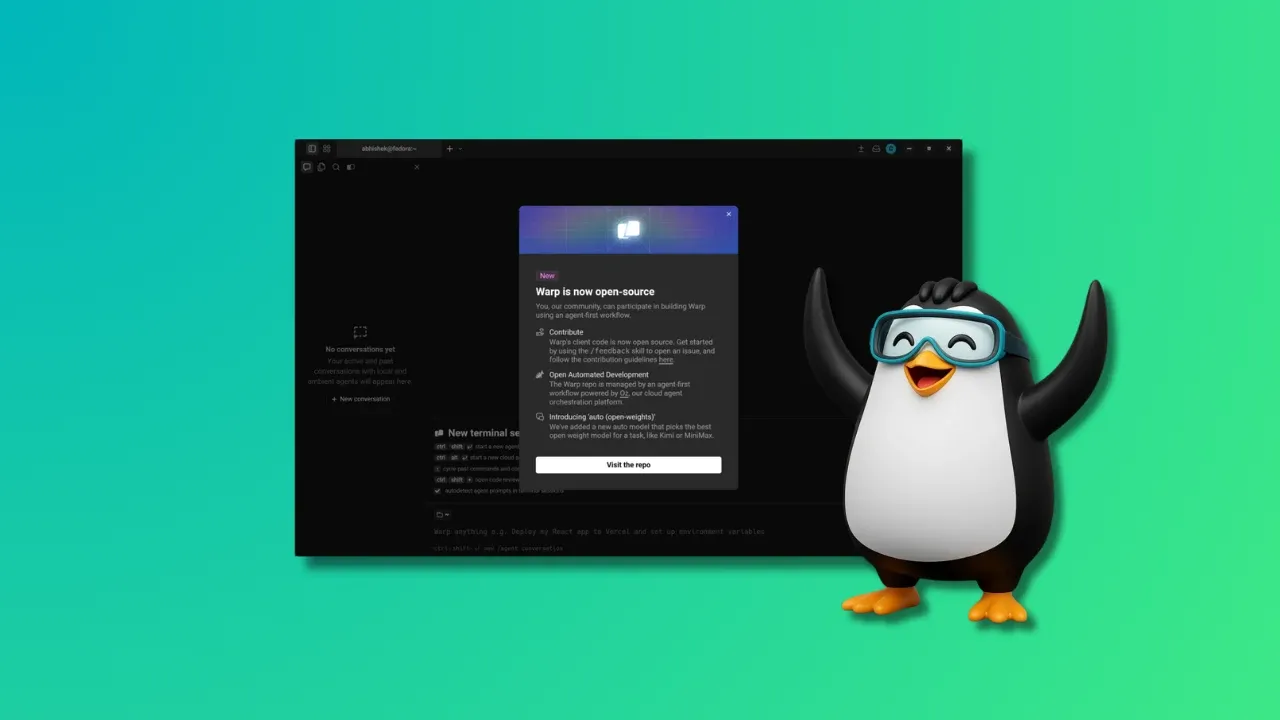
Warp, a modern terminal and agentic development environment built in Rust, has officially open-sourced its client code. This move marks a significant shift in how the community can contribute, leveraging AI agents to accelerate development. Instead of traditional manual coding, Warp is pioneering an agent-driven workflow where humans focus on ideas and review, while AI handles implementation. The code is now on GitHub with a split license, and the company aims to compete with closed-source rivals by fostering a vibrant open-source ecosystem. Below, we explore key questions about this announcement.
What is Warp Terminal and Why Did It Go Open Source?
Warp Terminal is a modern, Rust-based terminal and development environment that runs on Linux, Windows, and macOS. It features a block-based command interface and built-in support for AI coding agents like Claude Code, Codex, and Gemini CLI. The decision to open source stems from Warp's desire to build a successful business while competing with highly funded, closed-source competitors. CEO Zach Lloyd explained that by opening up the code and providing resources for the community to improve Warp, they can accelerate product development. This strategic move involves the community in building out the terminal, with a unique contribution model that emphasizes agent-driven workflows. The client codebase is now live at github.com/warpdotdev/warp, inviting developers worldwide to participate.
How Is Warp's Contribution Model Different from Traditional Open Source?
Warp's approach flips the typical open-source contribution model. Instead of humans writing code as the primary bottleneck, the company states that the main challenge now is human-led tasks—deciding on features and verifying software behavior. The goal is to have AI agents handle implementation, allowing human contributors to focus on ideas, specification work, and review. This agent-driven model uses Oz, Warp's cloud agent orchestration platform, to run multiple coding agents in parallel with full visibility and control. Contributions are guided by Warp's own rules and verification processes, ensuring high-quality outputs. The company believes that this method, powered by GPT models, puts contributors in a strong position to get features right the first time, making the open-source process more efficient and scalable.
What Is Oz and How Does It Fit into Warp's Workflow?
Oz is Warp's cloud agent orchestration platform, announced earlier this year. It enables developers to run multiple coding agents in parallel in the cloud, providing full visibility and control over their actions. In the context of Warp's open-source contributions, Oz is the recommended tool for implementing features. It comes pre-loaded with the right context and built-in checks for Warp's workflow, making it easier for contributors to submit reliable code. While other coding agents are welcome, Warp encourages contributors to use Oz to leverage its optimized setup. The platform is powered by GPT models from OpenAI, which is the founding sponsor of the repository. By integrating Oz, Warp ensures that AI-generated code aligns with its quality standards, accelerating development without sacrificing accuracy.
What Is the Licensing Structure for Warp's Open Source Code?
Warp's open-sourced code uses a split licensing model to balance community use and commercial interests. The UI framework, which includes the warpui_core and warpui crates, is released under the permissive MIT license. This allows maximum flexibility for developers to use and modify the UI components. The rest of the codebase, however, is licensed under the AGPLv3 (GNU Affero General Public License v3). AGPLv3 is a strong copyleft license that requires any modifications or network-distributed versions of the code to also be open-sourced under the same license. This choice helps protect Warp's commercial interests while still encouraging community contributions. Developers can access the full repository on GitHub and must comply with these license terms depending on which parts they use or modify.
What AI Models and Features Are Being Added Alongside Open Sourcing?
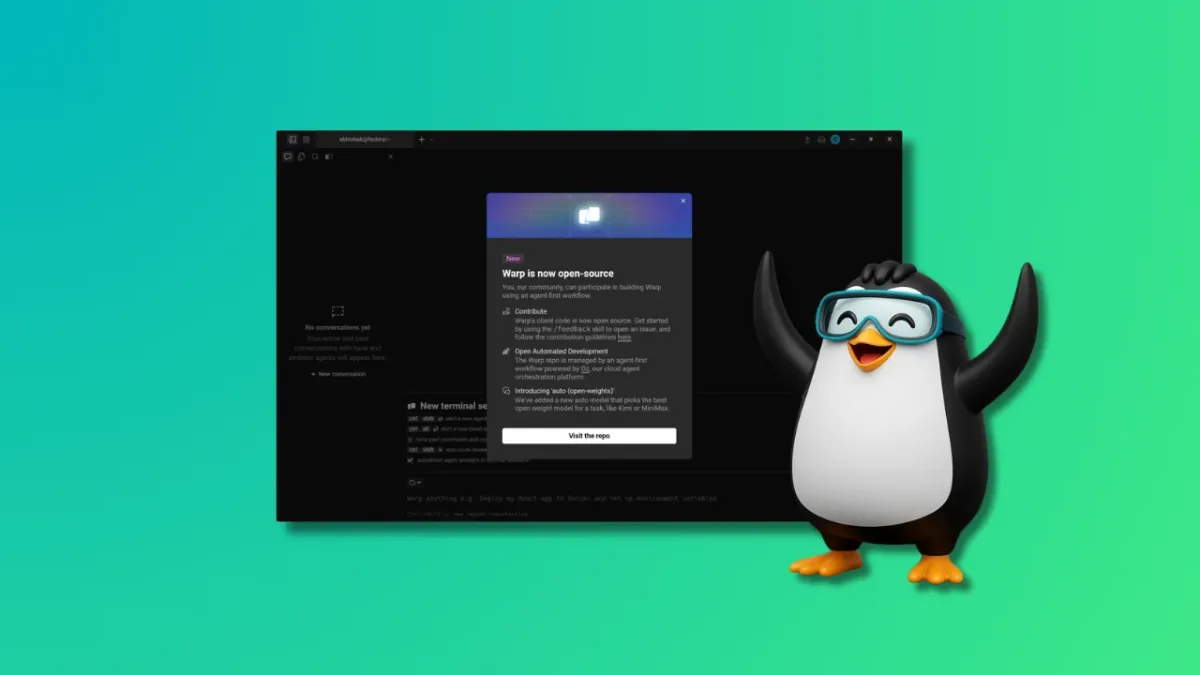
With this open-source announcement, Warp is expanding its support for open-source AI models. Beyond the existing GPT models from OpenAI (the founding sponsor), Warp now integrates Kimi, MiniMax, and Qwen. Additionally, a new routing option called "auto (open)" automatically selects the best open model for a given task. This gives users more flexibility and choice in the AI agents they use within the terminal. Alongside these model additions, Warp is shipping a new settings file for programmatic control and easier portability across devices. These features aim to make Warp more customizable and adaptable, appealing to developers who want to leverage various AI models in their workflows without being locked into a single provider. The expansion underscores Warp's commitment to an open ecosystem.
How Does Warp Plan to Compete with Other Terminals Through Open Source?
Warp is positioning its open-source strategy as a key competitive advantage against other highly funded, closed-source terminals. By opening the code, Warp invites the community to contribute improvements, bug fixes, and new features, effectively multiplying the development effort. The unique agent-driven contribution model aims to reduce the time and effort needed to implement changes, allowing for faster iteration. CEO Zach Lloyd emphasized that open-sourcing is fundamentally about building a successful business—it's a smart way to accelerate product development while fostering loyalty and innovation. In a landscape where terminals like Hyper or iTerm2 are dominant, Warp's AI-first approach and community-driven development could differentiate it. The company also benefits from partnerships like Cal.com, which followed a similar model, validating the approach.
How Can Developers Contribute to Warp Now?
Developers can start contributing by visiting the GitHub repository at github.com/warpdotdev/warp. The contribution process is designed around agentic workflows: contributors are encouraged to use AI agents like Oz (or others) to implement code, while focusing themselves on defining features, writing specifications, and reviewing outputs. Warp provides clear guidelines and verification processes to ensure quality. The repository includes documentation on how to set up the environment, use the agent-driven workflow, and submit pull requests. Contributors should be aware of the license split: UI components under MIT, rest under AGPLv3. As the project grows, the community will play a crucial role in shaping Warp's future. Warp also welcomes feedback and suggestions through GitHub issues, making it an inclusive environment for open-source development.