7 Critical Facts About Tennessee's New Crypto ATM Ban and What It Means for Consumers
Tennessee becomes second state to ban crypto ATMs starting July 1, targeting scammer-friendly machines. Key facts, scam methods, and consumer tips explained.
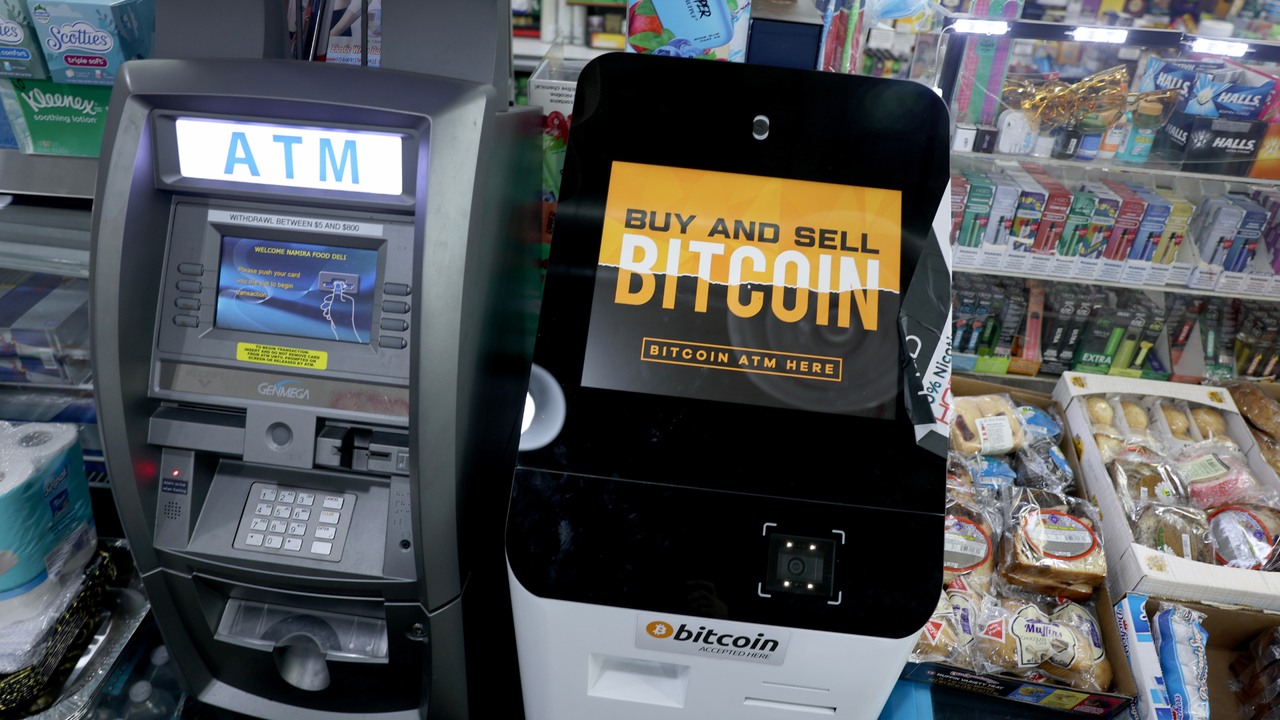
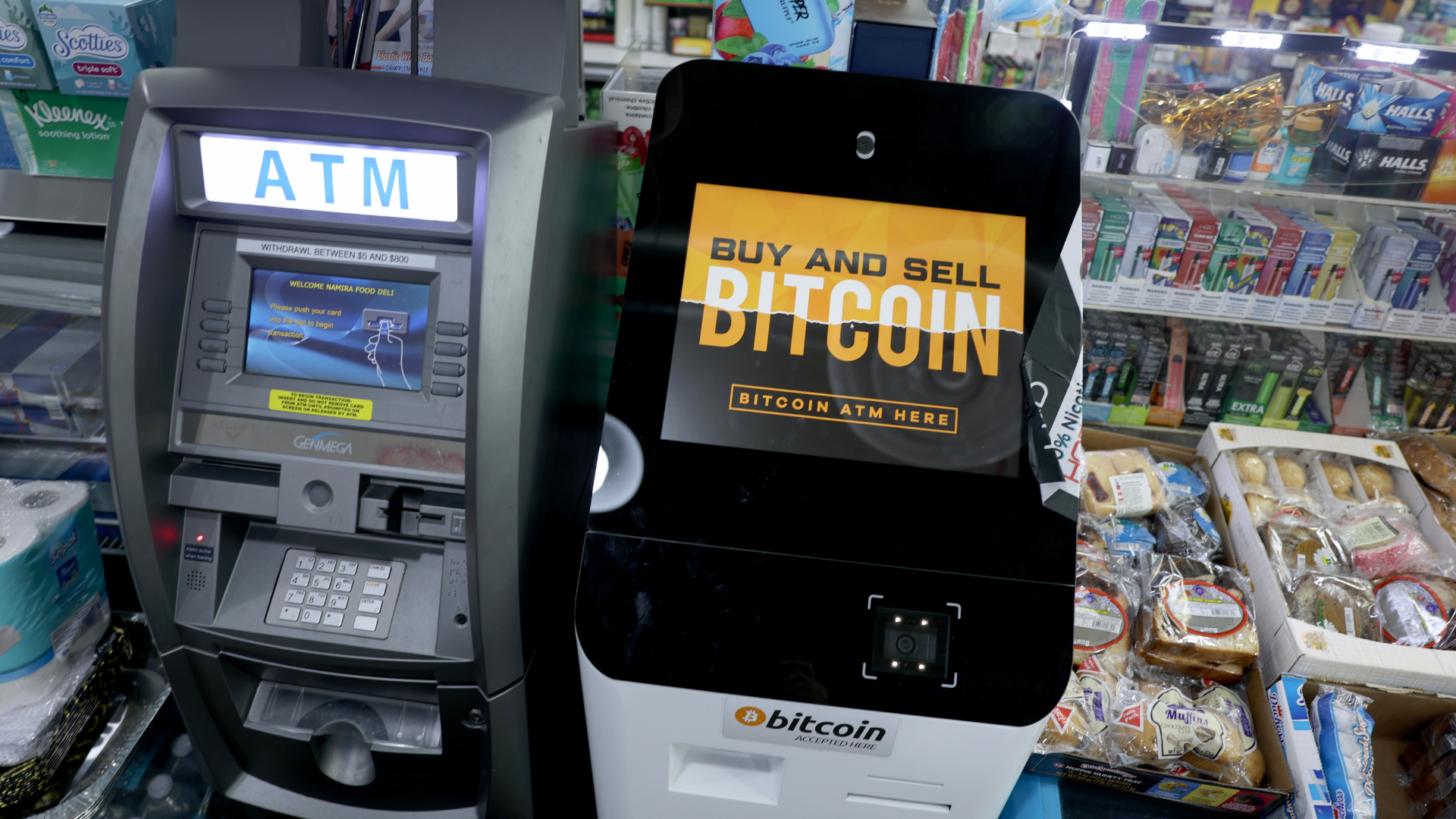
On July 1st, Tennessee becomes the second state in the nation to ban cryptocurrency ATMs—following Indiana's lead. The new law targets machines that have become a payment portal of choice for scammers, according to state officials. These ATMs, often found in gas stations and convenience stores, allow users to deposit cash and receive crypto in return. But their anonymity and lack of strong consumer protections have turned them into a favorite tool for fraudsters. Here are seven essential facts about this legislation and what it means for you.
1. What the New Law Does
Governor Bill Lee signed the bill into law, effectively banning the operation of cryptocurrency ATMs statewide starting July 1st. The legislation prohibits any person or business from operating a kiosk that converts cash to digital currencies like Bitcoin or Ethereum. Violators face fines and potential legal action. The law does not affect peer-to-peer exchanges or online crypto trading platforms—it specifically targets physical machines. Supporters argue this closes a critical loophole that allowed scammers to quickly convert stolen money into untraceable assets. Learn why these machines are so risky →
2. Why Crypto ATMs Are a Magnet for Scammers
Unlike bank ATMs, crypto ATMs rarely require identification for transactions under a certain dollar amount—often $1,000 or less. This anonymity makes them ideal for fraudsters who convince victims to deposit cash into the machine, then transfer the digital currency to wallets controlled by the scammer. The Federal Trade Commission reported that losses from crypto ATM scams surged to over $100 million in 2023. Tennessee’s attorney general described these machines as “the scammer’s dream,” because once the cash leaves the ATM, it’s nearly impossible to recover. The new law aims to shut down this pipeline.
3. Indiana's Precedent and Tennessee's Follow-Up
Indiana was the first state to ban crypto ATMs, passing similar legislation in early 2024. Tennessee’s bill closely mirrors Indiana’s approach, suggesting a broader trend among U.S. states to crack down on these kiosks. Both states cited consumer protection as the primary motivation. The next section explores which other states may follow. Interestingly, the laws do not ban crypto ownership or online exchanges—only the physical cash-to-crypto conversion points. This targeted regulation reflects growing concern over scam losses without stifling innovation entirely.
4. How Scams Typically Work Through These Machines
Scammers often impersonate government officials, tech support, or even romantic partners to convince victims to withdraw cash and deposit it into a crypto ATM. The victim scans a QR code provided by the scammer, which directs the digital currency to the fraudster’s wallet. Because crypto transactions are irreversible and pseudonymous, victims rarely see their money again. Common tactics include:
- Fake IRS calls demanding immediate payment via crypto.
- Tech support scams claiming a virus on your computer and asking for cryptocurrency to fix it.
- Romance scams where the scammer builds trust, then asks for money to be sent via ATM.
The ban in Tennessee aims to eliminate the physical entry point for these frauds.
5. Impact on Legitimate Crypto Users
While the law targets scammers, legitimate crypto enthusiasts who used ATMs for convenience will lose that option. Many people prefer crypto ATMs because they offer instant cash-to-crypto conversion without a bank account. This is especially important for unbanked or underbanked individuals. However, advocates argue that online exchanges offer better security and lower fees. The ban may push more consumers toward regulated platforms, which can also help reduce money laundering risks. A few states have considered allowing ATMs with strict ID verification instead of an outright ban—but Tennessee and Indiana chose the more restrictive route.
6. What Other States Might Do Next
With two states enacting bans, lawmakers in at least a dozen others are watching closely. States like New York, California, and Texas have seen high volumes of crypto ATM scams and may introduce similar legislation. The Conference of State Bank Supervisors (CSBS) has recommended that all states regulate crypto ATMs like money transmitters, requiring licensing and compliance. Some states may propose partial restrictions—such as daily transaction caps or mandatory ID verification—instead of a full ban. The next 12 months could see a patchwork of laws across the country. Jump to consumer protection tips →
7. Consumer Protection Tips
Even if you live outside Tennessee or Indiana, you can protect yourself from crypto ATM scams:
- Never send cryptocurrency to anyone you don’t know personally—legitimate businesses and government agencies won’t demand it.
- Verify any urgent request by calling the official number of the company or agency involved.
- Report suspicious ATMs to your state’s consumer protection office or the FTC at reportfraud.ftc.gov.
- Use secure, regulated exchanges that require identity verification and offer fraud protection.
Crypto ATMs are not inherently bad, but they’ve become a weak point in the financial system. Staying informed is your best defense.
Conclusion
Tennessee’s ban on crypto ATMs marks a significant step in the fight against digital currency scams. By eliminating the cash-to-crypto conversion points that scammers exploit, the state hopes to protect its residents from losing their hard-earned money. Whether other states follow suit remains to be seen, but for now, consumers in Tennessee and Indiana will have to use alternative methods to buy and sell cryptocurrency. As regulators grapple with balancing innovation and safety, one thing is clear: the era of unregulated crypto ATMs is coming to an end.