Overview
Becoming a NASA astronaut and preparing for a spaceflight mission is a rigorous, multi-year process that demands a unique combination of education, experience, physical fitness, and adaptability. In this guide, we use the remarkable journey of Dr. Anil Menon—a former NASA flight surgeon, SpaceX medical director, Air Force Reserve member, emergency room doctor, and now NASA astronaut—to illustrate the key steps, from selection to launch. Dr. Menon’s path highlights the importance of diverse expertise, resilience, and cross-cultural collaboration, especially as modern spaceflight increasingly involves partnerships among NASA, commercial companies like SpaceX, and international agencies like Russia’s Roscosmos.
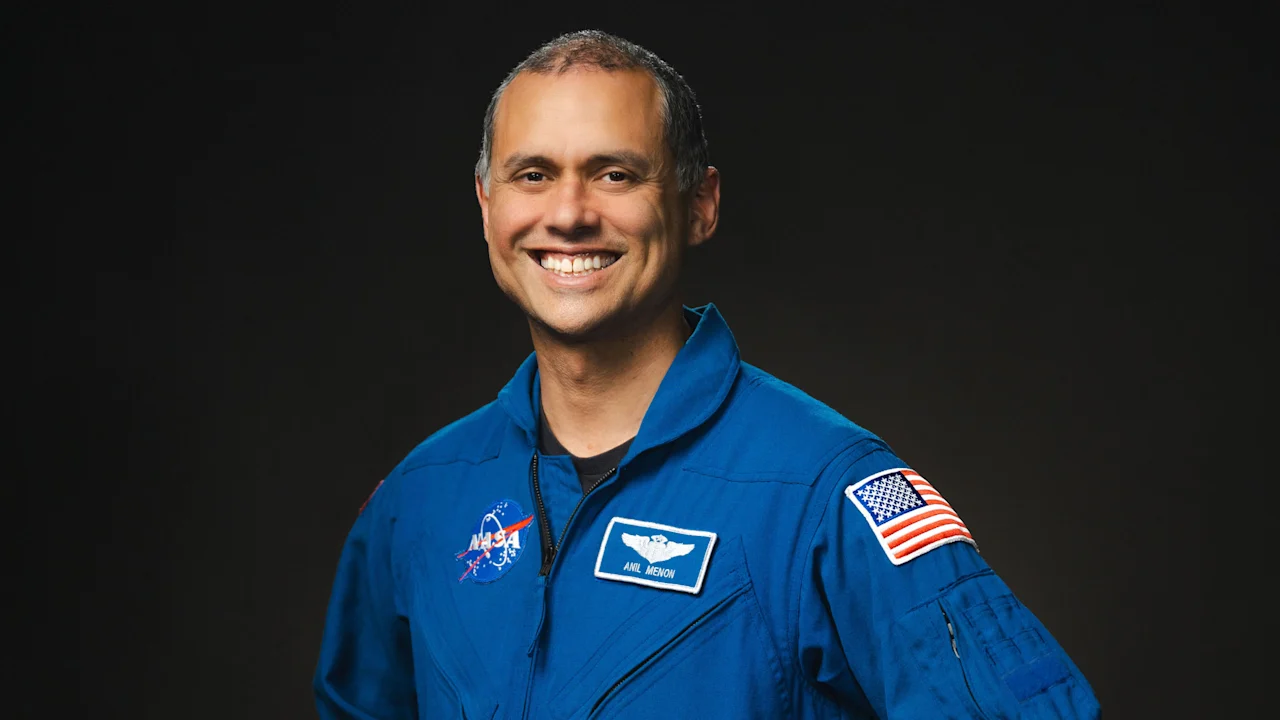
This tutorial will walk you through the essential phases: understanding prerequisites, navigating the application process, undergoing astronaut training, and preparing for a specific mission to the International Space Station (ISS) aboard a Soyuz spacecraft. Along the way, we’ll explore how Dr. Menon’s background helped him excel, and we’ll provide actionable advice, code-like checklists, and common pitfalls to avoid.
Prerequisites
Before you can even apply to become a NASA astronaut, you must meet baseline requirements. These are non-negotiable:
- U.S. citizenship: Required for NASA astronaut candidacy.
- Education: A master’s degree in a STEM field (engineering, biological science, physical science, computer science, or mathematics) from an accredited institution. A completed doctoral degree in medicine (MD) or osteopathic medicine (DO) is also accepted and often gives an edge—like Dr. Menon’s medical background.
- Professional experience: At least three years of progressively responsible professional experience in a related field. Teaching experience at the K-12 level may count. For pilots, at least 1,000 hours of pilot-in-command time in jet aircraft is required.
- Physical and medical standards: Must pass a long-duration spaceflight physical. This includes vision, blood pressure, cardiovascular health, and musculoskeletal fitness. Far-sightedness or near-sightedness must be correctable to 20/20, and certain conditions (e.g., kidney stones, diabetes) may disqualify.
Dr. Menon’s resume is a textbook example: he earned a medical degree, served as a NASA flight surgeon (where he authored research on space’s effects on the human body), then became SpaceX’s medical director, all while serving in the Air Force Reserve. This blend of clinical, operational, and private-sector experience made him a standout candidate.
Step-by-Step Instructions for Becoming a NASA Astronaut and Preparing for a Space Mission
1. Applying to the NASA Astronaut Candidate Program
NASA typically opens applications every four years. The process includes:
- Submit an online application through USAJOBS, including transcripts, resume, and essays on your motivation and leadership.
- Complete a questionnaire about your medical history, experience, and willingness to travel and relocate.
- Wait for initial screening: NASA reviews thousands of applications and selects about 120-150 for interviews.
- Participate in virtual and in-person interviews that assess teamwork, problem-solving, and adaptability.
- Undergo a week-long physical and psychological evaluation at the Johnson Space Center.
Dr. Menon was selected in the 2021 class after years of building his credentials. Tip: Emphasize cross-disciplinary work—like his role bridging NASA, SpaceX, and Air Force—to show you can handle diverse cultures.
2. Basic Astronaut Training: The First Two Years
Once selected, you become an astronaut candidate and undergo about two years of training. Key modules:
- Systems training: Learn International Space Station (ISS) systems—electrical, life support, communication, and robotics. This includes hands-on practice with mockups at the Neutral Buoyancy Laboratory (NBL), a huge pool for simulating spacewalks.
- Spacecraft familiarization: Depending on your assigned vehicle (e.g., Soyuz, Crew Dragon, Starliner), you train on controls, emergency procedures, and docking. Dr. Menon, for instance, will fly the Soyuz, which uses push-button interfaces and manual twist-seal spacesuits—a stark contrast to modern touchscreens on Crew Dragon.
- Survival training: Water survival, wilderness survival, and desert survival (if the capsule lands off-target). For Soyuz crews, this happens in Russia’s remote forests.
- Russian language: Essential for Soyuz missions, as all interfaces and communications are in Russian. Dr. Menon likely studied intensively to work with cosmonauts.
- Medical training: You learn to handle emergencies in microgravity: CPR, sutures, and administering medications.
3. Mission Assignment and Specific Preparation
After basic training, you’re assigned to a specific mission. This involves:
- Crew integration: You’ll join your crewmates—often from different countries—for joint training. Dr. Menon will be paired with two Russian cosmonauts for his Soyuz mission. This emphasizes cross-cultural communication and trust.
- Simulation-based training: Dozens of full-scale simulations for launch, docking, spacewalks (if planned), and emergency scenarios. For Soyuz, you practice manual re-entry and attitude control.
- Physical conditioning: You maintain peak fitness through daily exercise. NASA requires 6-8 hours of sleep and structured workouts (running, swimming, strength training).
Dr. Menon’s unique perspective—having worked at both NASA and SpaceX—gives him insight into different engineering philosophies. As he told Fast Company, the Soyuz has “heritage tracing back to the space race” with reliable but dated interfaces, while SpaceX “pushes frontiers of engineering.” This cultural bridging is a skill you must cultivate.
4. Pre-Launch Protocol: The Final Weeks
In the month before launch, the crew enters quarantine to avoid illness. Key activities:
- Soyuz-specific training: You’ll travel to the Baikonur Cosmodrome in Kazakhstan (as Dr. Menon will in July). There, you’ll conduct fit checks in the actual spacecraft, practice emergency egress, and participate in a symbolic “crew press conference.”
- Final medical exams: Ensuring you’re healthy. Any illness can delay the mission.
- Pre-launch suiting: The Russian Sokol space suit is donned with a unique rubber pressure seal and two bands—no zippers, as Dr. Menon noted. You must practice this repeatedly so it becomes muscle memory.
Internal link: Jump to Common Mistakes
Common Mistakes to Avoid
- Underestimating the importance of teamwork: Astronauts who focus only on technical skills may struggle with interpersonal dynamics. Dr. Menon credits his success to a “synergy” across cultures.
- Neglecting Russian language training: For Soyuz missions, even a slight language gap can cause critical errors during launch or docking. Practice conversational Russian daily.
- Overlooking physical conditioning: Many candidates assume their medical background is enough, but spaceflight requires extraordinary cardio and strength to withstand g-forces and microgravity bone loss.
- Not adapting to different spacecraft philosophies: As Dr. Menon points out, Soyuz uses decades-old push-button technology that “works, but it’s not intuitive to modern touchscreen users.” You must embrace each system’s quirks without resistance.
- Ignoring the psychological toll: The isolation of an 8-month ISS mission can lead to mood disorders. Participate in psychological resilience training and build coping strategies before launch.
Summary
Becoming a NASA astronaut and preparing for a spaceflight mission is a demanding journey that requires a strong STEM background, diverse professional experience, and exceptional physical and mental fitness. Dr. Anil Menon’s career—from flight surgeon and SpaceX medical director to Air Force Reservist—illustrates the value of cross-disciplinary expertise and cultural adaptability. By following the steps outlined—meeting prerequisites, applying strategically, completing rigorous training, and preparing for a specific spacecraft (like the Soyuz)—you can aspire to your own mission. Avoid common pitfalls like neglecting teamwork or underestimating language barriers, and remember that NASA bridges the gap between different spacefaring cultures. With dedication, you too could shape the future of human spaceflight. For more on the Soyuz vs. Crew Dragon differences, reread the prerequisites section and the training details above.
Word count: ~1,300 words. This guide uses the factual content from the original article but rewritten entirely for a tutorial format.