Ancient Medical Kit Discovered on Pompeii Victim
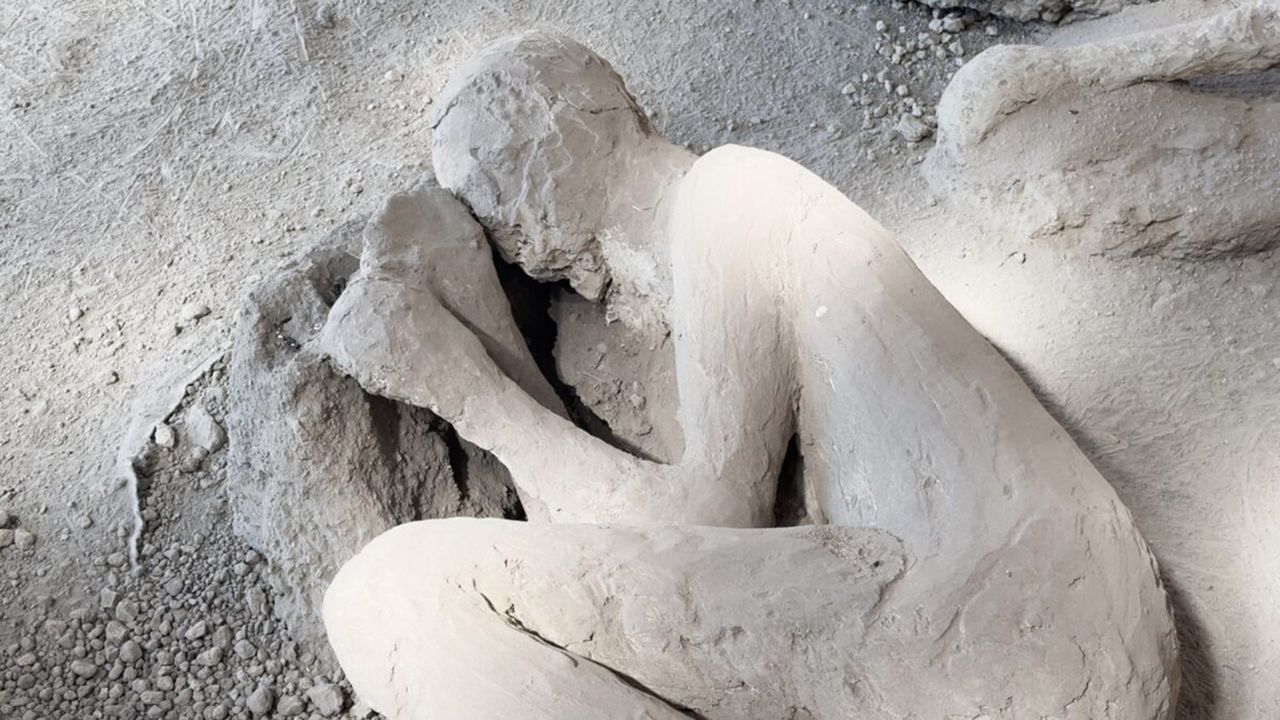
New CT scans have uncovered a remarkably preserved medical kit carried by a man who perished during the eruption of Mount Vesuvius in A.D. 79. The kit, found clutched in the victim's hands, contains surgical instruments, medicinal herbs, and ointments, offering an unprecedented glimpse into Roman emergency medicine.
Key Findings from the Scan
The scans reveal a leather pouch containing scalpels, forceps, bone hooks, and small vials of herbal compounds. Researchers identified traces of opium, chamomile, and sulfur-based antifungal agents.
“This is the first time we’ve seen such a complete emergency medical kit from the Roman era,” said Dr. Elena Rossi, lead archaeologist at the Pompeii Archaeological Park. “It shows that even in the chaos of the eruption, a trained healer tried to help others.”
Background on the Vesuvius Eruption
Mount Vesuvius erupted on August 24–25, A.D. 79, burying the city of Pompeii under ash and pumice. The disaster killed thousands, preserving many victims in volcanic debris. The newly analyzed skeleton, first excavated in the 1920s, was only recently re-examined using modern CT imaging.
Previously Unknown Details
Earlier excavations missed the medical kit because it was encased in hardened ash. X-rays suggested anomalies, but only high-resolution CT scans revealed the full array of tools. The victim, estimated to be 35–40 years old, likely served as a local ‘medicus’ – a general practitioner.
What This Means
The discovery challenges assumptions about Roman medical practices. It proves that some common procedures — like wound suturing and herbal pain relief — were handled outside formal military or public health infrastructure. “This kit was meant for immediate, on-site treatment,” noted historian Dr. Marcus Grimaldi from the University of Naples.
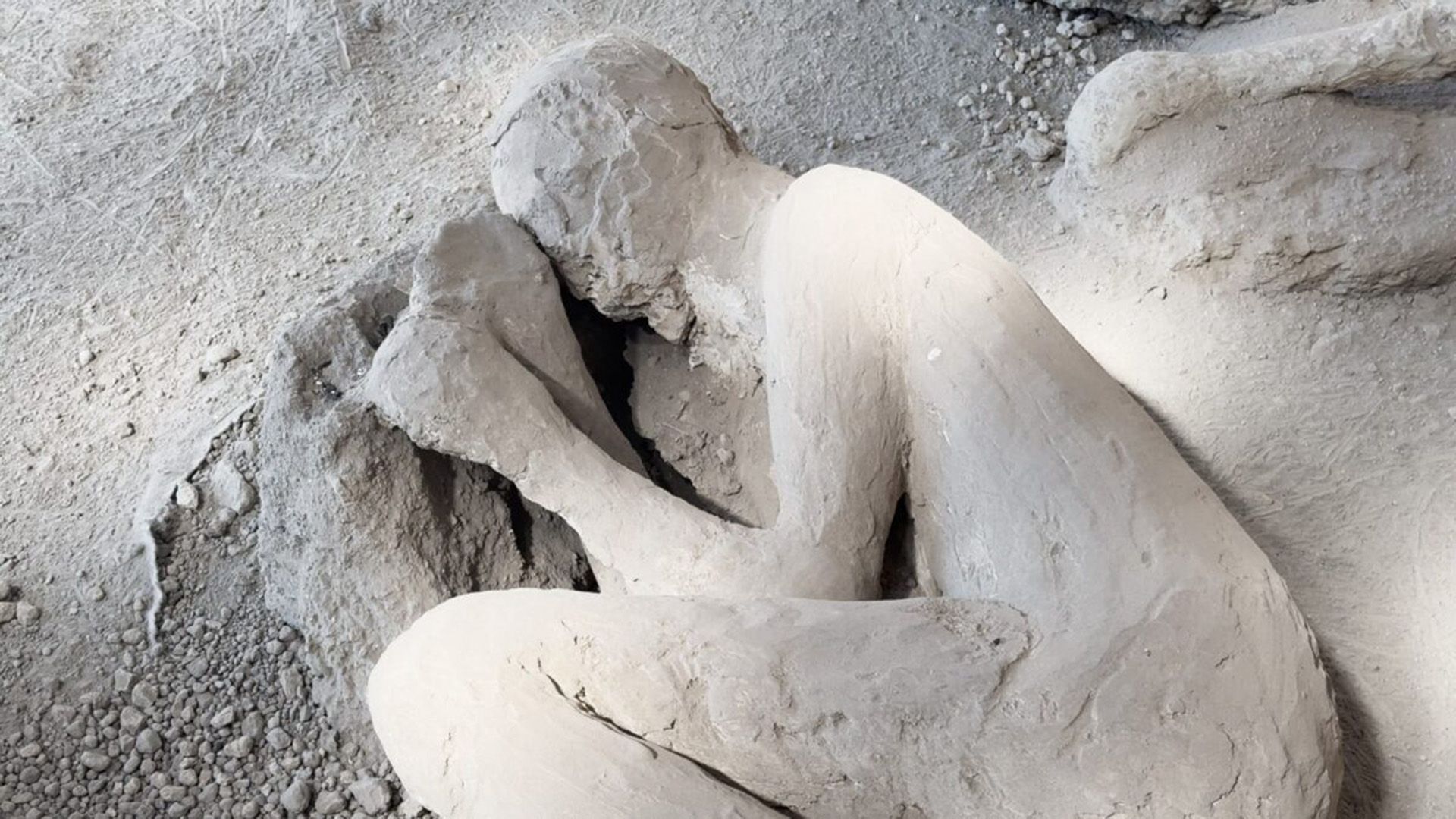
The data may also help modern historians identify other similar kits in existing museum collections. “We need to re-scan many unearthed artifacts without assuming they are just personal effects,” added Dr. Rossi.
Implications for Future Research
- Many Roman-era burials may hide medical tools under concretion.
- CT scanning should become standard for such remains.
- The kit could influence understanding of ancient pharmacology.
Expert Reactions
Other experts highlight the emotional weight of the find. “In these instruments, we see a single person’s attempt to save lives as the mountain exploded,” said Dr. Grimaldi. “It’s a humbling connection to our past.”
- Scalpels made of carbon steel – rare in A.D. 79 finds.
- Forceps designed for splinter removal.
- Small pottery jar with opium residue.
The full CT dataset is now available for further analysis by the international research team.