Welcome to our comprehensive Q&A on Tesla’s newly announced Semi charging program. This initiative, dubbed “Semi Charging for Business,” offers fleet operators and businesses two distinct charging options: the high-power Megacharger and the new, lower-power Basecharger. Below we answer the most pressing questions about costs, installation, and how these chargers fit into different operational needs.
1. What is the “Semi Charging for Business” program?
Tesla’s “Semi Charging for Business” program is designed specifically for fleet operators and businesses that own or plan to own Tesla Semi trucks. Through this program, companies can purchase and install their own charging infrastructure. Two charger options are available: the flagship Megacharger and the newly introduced Basecharger. The Basecharger is a lower-power unit rated at 125 kW, ideal for overnight depot charging, while the Megacharger provides faster, higher-power charging for on-the-road needs. This program gives fleet owners control over their charging network, helping them optimize costs and uptime.
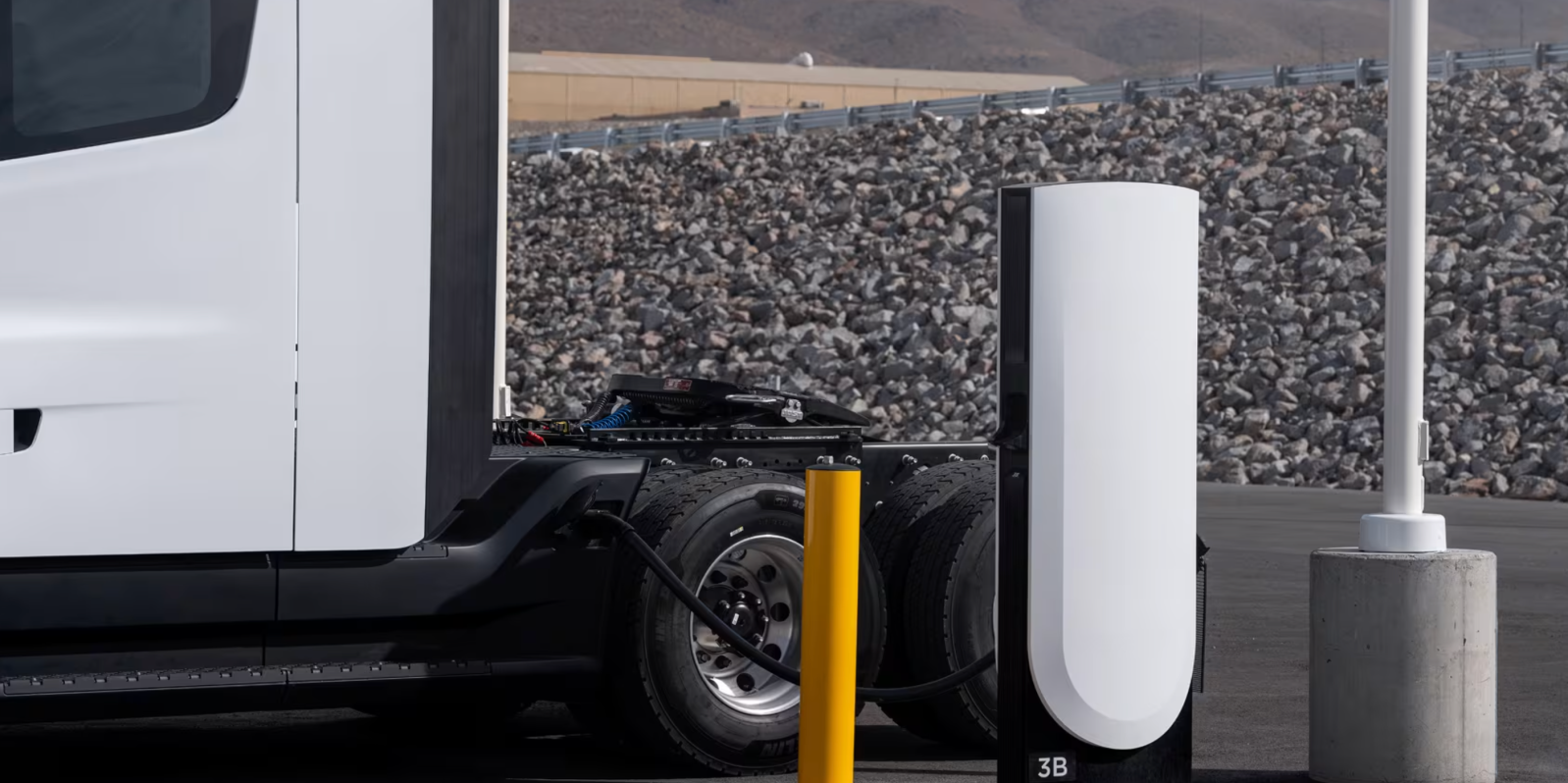
2. What is the Basecharger, and how does it differ from the Megacharger?
The Basecharger is a new, more affordable charging solution offered by Tesla for the Semi. It delivers up to 125 kW of power, making it suitable for overnight or depot charging where trucks are parked for several hours. In contrast, the Megacharger is a high-power (likely 1 MW+) unit designed for rapid charging during long-haul trips. The Basecharger’s lower power output reduces installation complexity and equipment cost, while still providing enough energy to top off a Semi’s battery during a typical work shift. For businesses that operate trucks on predictable routes with overnight dwell time, the Basecharger is a practical and economical choice.
3. How much does the Megacharger cost, and what does the price include?
According to Tesla’s online configurator, the starting price for a Megacharger installation is $188,000. This price covers two charging posts but does not include taxes, permits, or installation fees. However, for sites that generate revenue by charging multiple trucks, Tesla charges an all-inclusive usage fee of $0.08 per kWh of electricity consumed. This fee structure encourages high usage and helps offset the upfront hardware cost over time. Businesses should budget for additional site preparation, electrical upgrades, and local permitting costs, which can vary significantly.
4. What are the pricing details for the Basecharger?
As of now, Tesla has not publicly released a specific price for the Basecharger unit itself. However, given its lower power rating (125 kW vs. Megacharger’s high power), it is expected to be significantly cheaper than the $188,000 Megacharger setup. The Basecharger is likely targeted at small to medium fleets that prioritize cost savings over ultra-fast charging. Installation costs will also be lower because it requires less robust electrical infrastructure. Tesla’s pricing model for revenue-generating sites may apply similarly, possibly with a lower kWh fee or a flat monthly rate, but official details are yet to be announced.
5. Who is this program intended for?
This program is squarely aimed at fleet operators, logistics companies, and businesses that operate Tesla Semi trucks. It is not designed for individual consumers but rather for organizations that need to charge multiple trucks consistently. The two-tier system—Basecharger for depot overnight charging and Megacharger for rapid on-road charging—allows fleets to mix and match based on their operational patterns. For example, a distribution center might install several Basechargers for overnight charging of a local delivery fleet, while a long-haul carrier might invest in a Megacharger at a rest stop for quick turnaround during layovers.
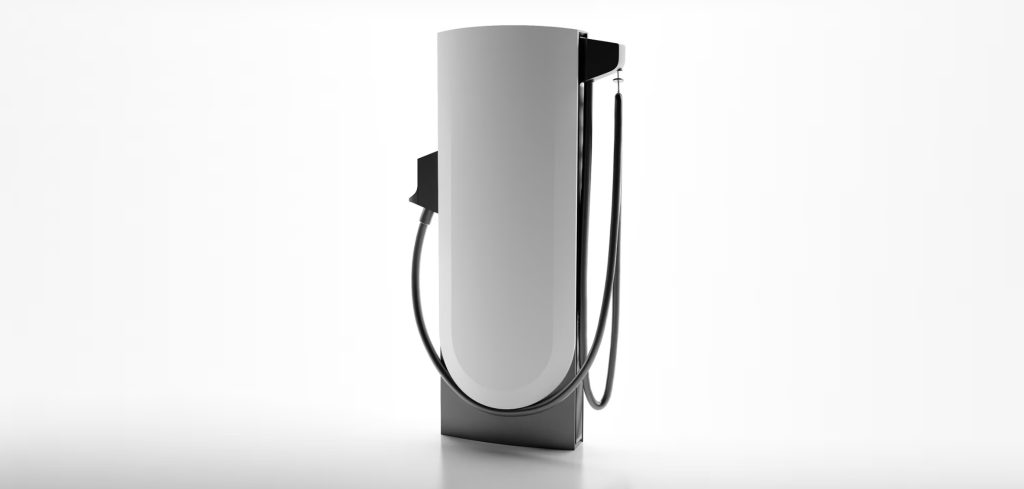
6. Can the Basecharger and Megacharger be used together?
Yes, Tesla designed the two chargers to complement each other. A fleet could install Basechargers at the depot for overnight top-ups and Megachargers at key highway stops for midday boosts. This hybrid approach optimizes both cost and time: overnight charging with Basechargers is cheaper per kWh (thanks to typically lower electricity rates and simpler installation), while Megachargers provide the speed needed to keep trucks on the road during peak hours. Tesla likely intended this dual-option program to give fleet operators flexibility without forcing them into a one-size-fits-all solution.
7. What are the installation requirements for these chargers?
Installation requirements vary between the Basecharger and Megacharger. The Basecharger, at 125 kW, generally requires a three-phase electrical connection and a dedicated transformer, but can often use existing depot electrical systems with upgrades. The Megacharger, on the other hand, demands a much higher power feed—potentially in the megawatt range—necessitating significant infrastructure work, such as a new substation, high-voltage cabling, and large cooling systems. Tesla’s $188,000 price for two Megacharger posts excludes these site-specific costs. Both chargers require professional installation by Tesla-certified electricians and may involve permits from local utilities and authorities.
8. How does the $0.08/kWh fee work for revenue-generating sites?
For sites that produce revenue by charging multiple Tesla Semis—think truck stop owners or fleet charging hubs—Tesla charges an all-inclusive fee of $0.08 per kWh of electricity dispensed. This fee covers the equipment’s operation, maintenance, and possibly a portion of the hardware cost. It effectively turns the charger into a pay-per-use asset for the site owner. In contrast, if a business buys the charger solely for its own fleet and does not sell charging services to others, the kWh fee may not apply, but Tesla hasn’t explicitly clarified that scenario. This pricing model encourages high utilization and helps Tesla recoup hardware costs over time.