Imagine peering into the cosmos and spotting a place where gravity itself twists the fabric of space-time. That's exactly what the Euclid Space Telescope does, and now you can join the hunt. A new citizen science project invites you to scan never-before-seen images in search of galaxies bending light around them. Here are ten things you should know about this remarkable opportunity.
1. What Are Spacetime Warps?
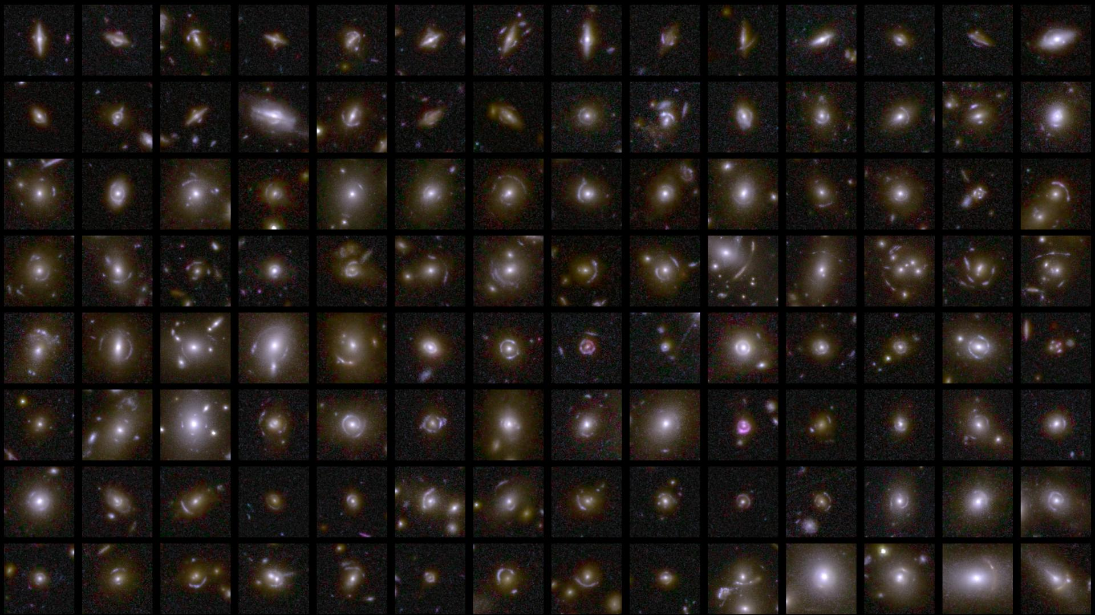
Spacetime warps, also known as gravitational lenses, occur when a massive object like a galaxy or cluster of galaxies bends the light from a more distant object behind it. This effect, predicted by Einstein's general relativity, creates distorted, magnified, or multiple images of the background galaxy. By studying these cosmic distortions, astronomers can map dark matter, measure the universe's expansion, and even weigh supermassive black holes. The Euclid telescope captures these phenomena in unparalleled detail, offering a treasure trove for discovery.
2. The Euclid Space Telescope Mission
Launched in July 2023, the European Space Agency's Euclid mission is designed to explore the dark universe. Its 1.2-meter telescope and two instruments—a visible imager (VIS) and a near-infrared spectrometer and photometer (NISP)—will survey billions of galaxies over six years. The goal? To create a 3D map of the cosmic web and understand how dark energy and dark matter shape the universe. The images used in this citizen science project come from Euclid's early observations, showcasing the staggering beauty and complexity of deep space.
3. How the Citizen Science Project Works
The project, hosted on the Zooniverse platform, turns you into a cosmic detective. After a quick registration, you'll view real Euclid images and use a simple interface to mark any telltale signs of gravitational lensing—like arcs, rings, or multiple images of the same galaxy. Each image is reviewed by multiple volunteers to ensure accuracy. Your clicks help train machine learning algorithms and direct professional astronomers to the most promising candidates. No prior experience is required; a short tutorial guides you through the process.
4. What to Look For in the Images
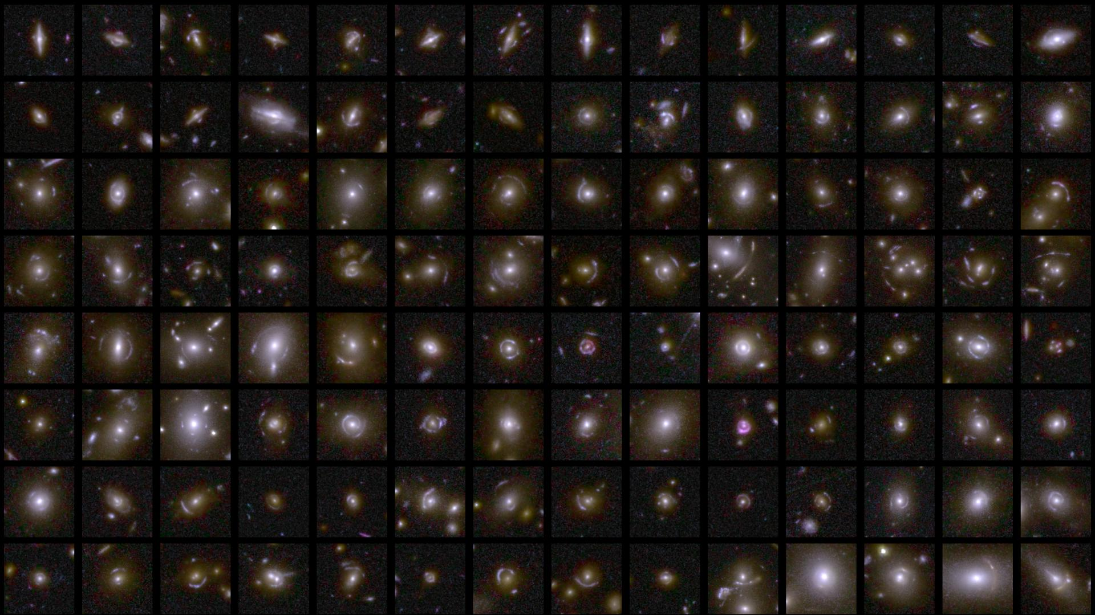
When scanning Euclid's images, keep an eye out for distinctive features: blue or red arcs curving around a bright galaxy center, Einstein rings (complete circular distortions), or multiple identical galaxy images in a row. These are classic signatures of strong gravitational lensing. You might also spot less obvious weak lensing effects, where galaxies appear slightly stretched. The project's interface highlights potential candidates, but your human intuition often catches subtle patterns that computers miss.
5. The Science Behind Bending Spacetime
Gravitational lensing is a direct consequence of mass warping the geometry of spacetime. When light passes near a massive object, it follows the curved path created by the object's gravity. For strong lenses, the alignment is so precise that the background source is magnified and distorted into arcs or multiple images. This effect allows astronomers to study galaxies billions of light-years away that would otherwise be invisible. Lensing also reveals the distribution of dark matter, which doesn't emit light but bends light through its gravitational influence.
6. Tools and Platform for Participation
You need only a computer or tablet with internet access. The Zooniverse website (visit zooniverse.org) hosts the Euclid lensing project. After creating a free account, you'll access a customizable dashboard. The annotation tools are straightforward: drag markers, draw circles around lenses, and answer quick classification questions. Tutorials and field guides are built into the interface, and a discussion forum lets you ask questions or share finds with the community. The platform works seamlessly across devices.
7. Training and Tutorials
Don't worry if you've never identified a gravitational lens before. The project includes a comprehensive training module. First, you'll practice on simulated images with known lenses. Then, you'll classify a set of calibration images to test your skills. A field guide with annotated examples shows real lensed galaxies. You can always return to these resources as you gain experience. The system also provides real-time feedback—if you mark a spot that's likely a lens, the interface highlights it with positive reinforcement.
8. Community and Collaboration
You're not alone in this cosmic endeavor. Thousands of volunteers from around the world are participating. The project includes a discussion board where you can post interesting finds, ask for second opinions, or chat about astronomy. Scientists from the Euclid team also monitor the discussions, offering insights and answering questions. Regular updates (like monthly science highlights) keep you informed about how your contributions are being used. Some volunteers even become co-authors on research papers based on their discoveries.
9. Potential Discoveries and Impact
Every new strong lens discovered helps astronomers refine models of dark matter distribution and test theories of galaxy evolution. Rare lenses can reveal the most distant galaxies, and multiply imaged supernovae provide precise measurements of the Hubble constant. The Euclid data will likely yield thousands of new lens systems, far exceeding previous surveys. Your classifications could lead to the discovery of a quadruply lensed quasar or an Einstein ring—objects that become landmarks in our understanding of the universe.
10. How Your Contribution Helps
By participating, you're accelerating the pace of discovery. Professional astronomers can't review every pixel of the massive Euclid dataset—it would take centuries. Your human pattern recognition filters the data, highlighting the most interesting objects for follow-up with ground-based telescopes like the Very Large Telescope or the James Webb Space Telescope. The project also generates labels that train artificial intelligence models for future automated searches. In essence, you become a vital link in the chain that connects raw telescope data to groundbreaking science.
Exploring the universe's hidden warps through Euclid's eyes is an adventure that blends technology, curiosity, and human intuition. Whether you're an experienced astronomer or a curious newcomer, your participation matters. So dive into the images, spot those cosmic distortions, and help scientists map the invisible architecture of our cosmos. The next great discovery might be just a click away.