Introduction: The Double-Edged Sword of Artificial Intelligence
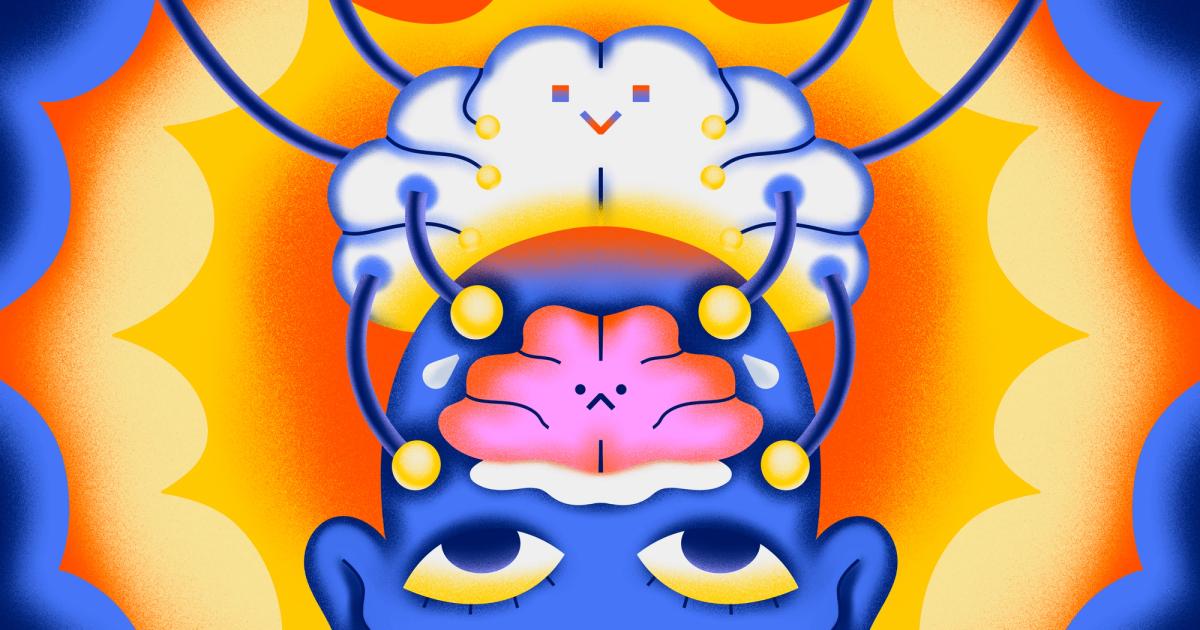
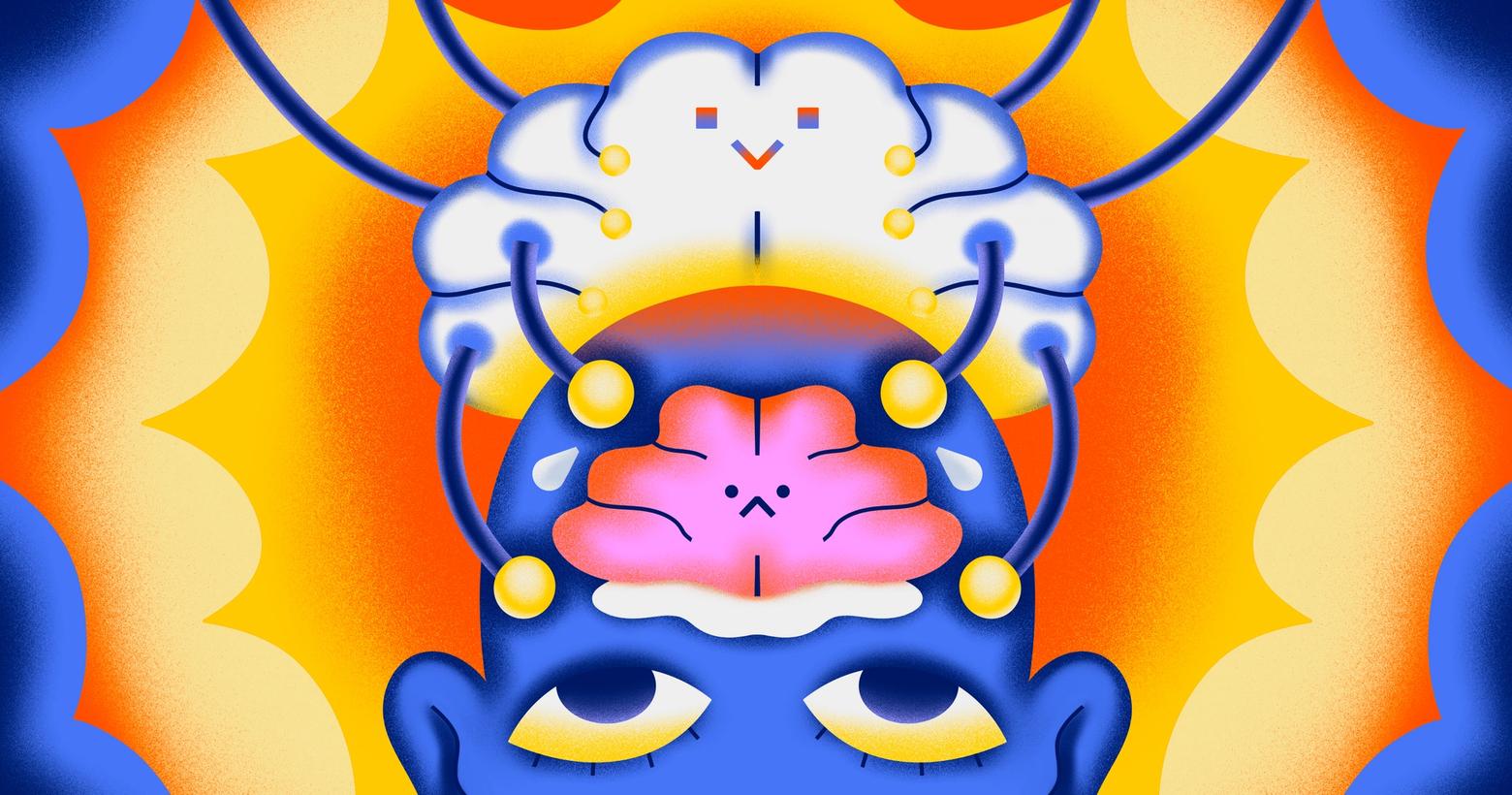
Artificial intelligence has become an indispensable tool in our daily lives, serving as a virtual assistant, a research companion, and even a decision-making partner. From drafting emails to recommending movies, AI systems increasingly act as what some call a "second brain"—enhancing our productivity and storing information we no longer need to memorize. However, beneath this convenience lies a profound risk: the gradual atrophy of our own cognitive faculties. As we delegate more mental tasks to algorithms, we may not only become lazy thinkers but also lose the very abilities that define human judgment, including qualitative, moral, and interpersonal reasoning. This article explores the hidden dangers of relying too heavily on AI and offers guidance on how to maintain a healthy balance between machine assistance and independent thought.
The Erosion of Critical Thinking
Critical thinking—the ability to analyze information, question assumptions, and form independent conclusions—is a cornerstone of human intelligence. Yet, as AI systems become more adept at providing instant answers, the incentive to engage in deep reflective thinking diminishes.
From Productivity Tool to Mental Crutch
When every question can be answered by a quick query to a chatbot or a search engine, the brain’s natural tendency is to take the path of least resistance. Over time, this reliance can weaken our capacity to reason through complex problems. Studies in cognitive science show that the brain strengthens neural pathways through active use; when we outsource tasks like information retrieval or data analysis, those pathways receive less exercise. The result is a gradual decline in critical thinking skills, as the brain adapts to a world where answers are always a click away.
The Neuroscience of Outsourced Thinking
Research on neuroplasticity suggests that the brain changes based on how we use it. When we rely on AI for decision-making, we reduce the cognitive load required to process information. This may free up mental resources in the short term, but it also means we practice less of the effortful thinking that builds robust neural connections. Over generations, a society that offloads thinking to machines may develop a collective deficit in analytical reasoning, making us more susceptible to misinformation and simplistic solutions.
Losing Qualitative and Moral Judgment
Beyond factual analysis, AI poses a threat to two realms that are uniquely human: qualitative judgment and moral reasoning. These areas require subtlety, empathy, and an understanding of context that current AI systems cannot fully replicate.
The Limits of Algorithmic Decision-Making
Algorithms excel at pattern recognition and optimization, but they struggle with nuance. A machine can suggest the most efficient route or the most likely spelling correction, but it cannot weigh ethical considerations, cultural sensitivities, or personal values. When we blindly follow AI recommendations in areas like hiring, healthcare, or legal sentencing, we risk automating biases and losing the ability to make value-based decisions. The danger is not merely that we become lazy; it is that we surrender our moral agency to systems that lack consciousness and accountability.
Interpersonal Skills in the Age of AI
Human interaction relies on empathy, emotional intelligence, and non-verbal cues—qualities that AI cannot simulate authentically. As we use AI to craft messages, interpret emotions, or even mediate conflicts, we lose practice in reading others and responding with genuine care. Interpersonal judgment, which involves reading a room, sensing unspoken tension, or offering comfort, is honed through direct experience. Outsourcing these interactions to AI can erode our social skills, making us less adept at building trust and navigating complex relationships.
The Path Forward: Conscious Use of AI
Avoiding the risks of cognitive outsourcing does not mean rejecting AI altogether. Instead, we must adopt strategies that use AI as a tool to enhance, rather than replace, our thinking.
Maintaining Cognitive Engagement
When using AI, ask yourself: Am I using this to save time on a routine task, or am I letting it make decisions I should be making? Reserve AI for repetitive, data-heavy work, and consciously engage in analytical, creative, and ethical reasoning on your own. Set aside time for deliberate practice—such as reading long-form articles, debating ideas, or solving problems without digital aids—to keep your cognitive skills sharp.
Balancing AI Assistance with Active Thinking
Treat AI as a collaborator, not a substitute. For instance, when drafting a report, use AI to generate ideas or check grammar, but independently formulate the argument and conclusions. When making important decisions, intentionally consider factors that the AI might miss—emotions, values, and long-term consequences. By maintaining a habit of questioning and refining AI outputs, you preserve your ability to think critically and judge qualitatively.
Conclusion: Choose to Think
AI is a powerful ally, but it should never become a replacement for your own mind. The risk of outsourcing judgment is not just about becoming less intelligent—it is about losing the qualities that make us human: the ability to reason with nuance, to make moral choices, and to connect with others on a deeply empathetic level. By consciously using AI as a supplement rather than a crutch, we can harness its benefits while safeguarding the cognitive and ethical capacities that define our humanity. The challenge is to embrace technology without letting it diminish our first brain. The choice is ours.